Allinge sits on Bornholm’s northern coast, where the granite cliffs meet the Baltic and the light does something particular in the late afternoon that makes you understand why artists have been coming here for over a century. It is a small town — the kind where you can walk end to end in fifteen minutes — but it sits at the centre of the island’s most concentrated stretch of history, landscape, and good food.
Here is what we recommend to our guests at our hotel. Not a comprehensive list, but the places we genuinely love.
Hammershus
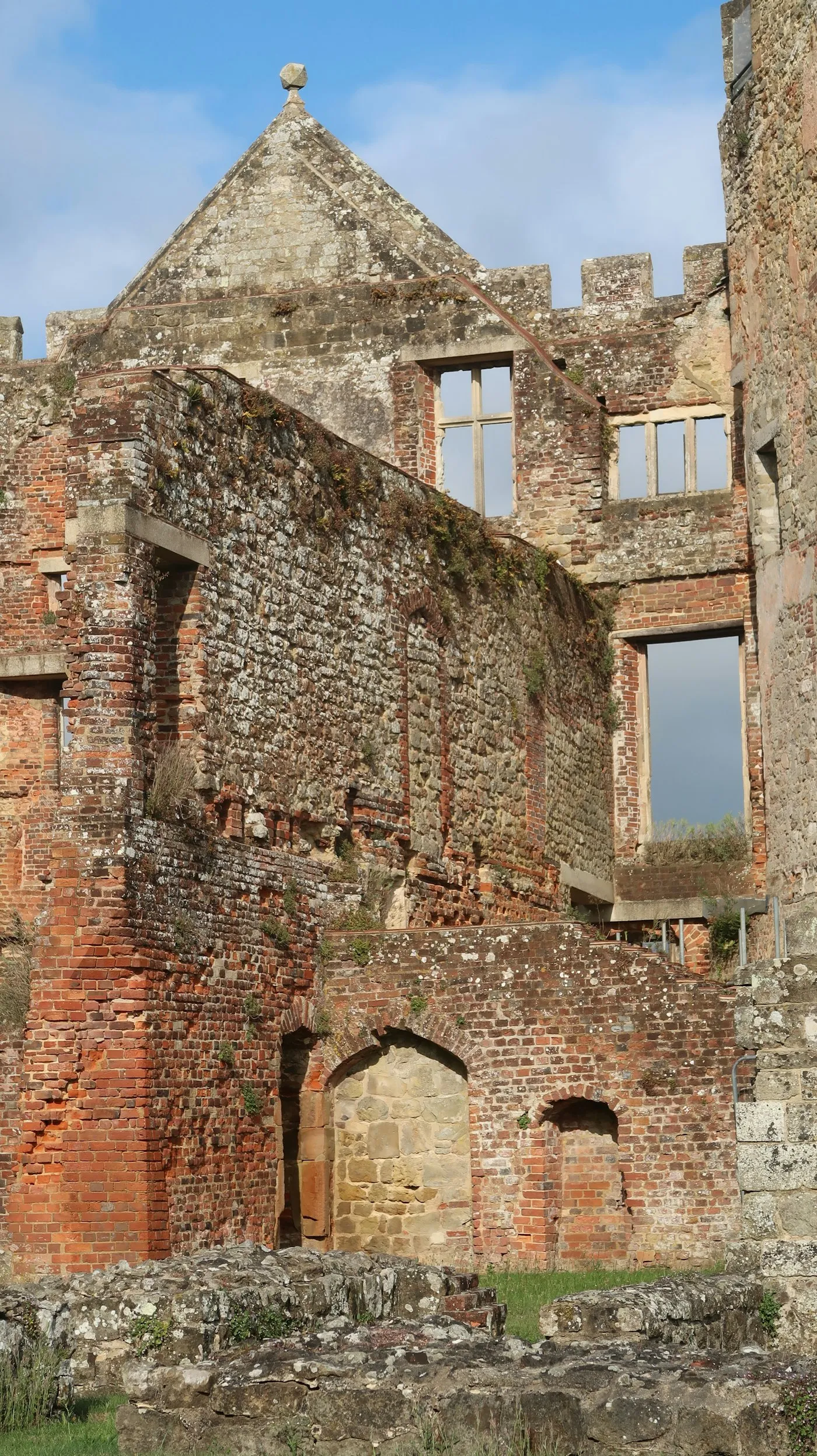
Northern Europe’s largest medieval fortress ruin is a ten-minute drive from the hotel, perched on a cliff 74 metres above the sea. The castle dates to the 1200s and was used as a military stronghold for centuries before falling into ruin. Today it is an open site you can explore freely, and the scale — thick walls, towers, views north over the water — is genuinely impressive.
Our advice: go early morning or late afternoon. The light is better, the crowds thinner, and you can walk the perimeter in relative solitude. The path down to Opal Lake, a former granite quarry filled with turquoise water, is worth the detour.
Helligdomsklipperne
The Sanctuary Cliffs are dramatic granite formations along the coast south of Allinge. You can reach them by a coastal hiking path from Gudhjem, or by the small excursion boat that runs in summer. The name comes from a freshwater spring that medieval pilgrims believed had healing powers. The cliffs are sheer faces dropping into clear water, with the Bornholm Art Museum perched on the clifftop above.
Næs Strand and the harbour
Næs Strand is the closest beach to the hotel, a 1-minute walk. It is a sheltered cove with smooth rocks and calm water, good for swimming from June through September.
Allinge’s harbour is where the daily rhythm of the town happens. There is a fish shop selling the day’s catch, a smokehouse where you can eat røget sild on warm bread at wooden tables by the water, and in summer, an ice cream stand that draws a queue. Sit on the harbour wall in the evening and watch the fishing boats come in.
Madsebakke rock carvings
Just outside town, on a hillside above the road, are the Madsebakke petroglyphs — the largest collection of Bronze Age rock carvings in Denmark, dating to roughly 1000 BC. Ships, sun wheels, cup marks, and foot soles carved into granite by people who stood here three thousand years ago. Not fenced off or dramatically presented; you simply walk up the hill and there they are.
The round churches
Bornholm’s four medieval round churches, built in the 1100s and 1200s, are unlike anything else in Scandinavia. The largest, Østerlars Rundkirke, is about twenty minutes’ drive. Thick white walls, conical roofs, medieval frescoes. Worth visiting even if churches are not usually your thing.
Cycling the island
We have complimentary bicycles at the hotel, and Bornholm has over 230 kilometres of cycling paths. See our full guide to explore Bornholm. A good half-day route from Allinge: ride south along the coast to Sandvig, continue past Hammershus, then loop inland through the Almindingen forest and back. About 30 kilometres, mostly flat, with several stops for coffee or a swim.
Ceramics and glass
Bornholm has an unusually dense concentration of working artists. Baltic Sea Glass in Gudhjem, where you can watch glassblowing in the studio, is exceptional. Hjorths Fabrik in Rønne is a ceramics museum and working pottery in a building making stoneware since 1859. In Svaneke and Gudhjem, smaller studios are open in summer and the quality is high. We highly recommend Lov i Listed.
The smokehouses
Bornholm’s røgeri tradition is the island’s most distinctive food culture. Herring caught locally, salt-cured, smoked over alderwood in tall brick chimneys. The classic dish is Sol over Gudhjem — smoked herring on dark rye bread with a raw egg yolk, radishes, and chives. Eat it at smokehouses in Gudhjem, Hasle, or Allinge. It tastes better here because the fish was swimming yesterday.